Easy Way to Make Players Fail Saves Dnd
A character's death in Dungeons & Dragons can be an incredibly traumatic experience. After spending time and effort creating a character, then learning and growing alongside them during their adventures, the mere thought of them dying in combat is enough to give players the shivers. Character death plays a major role in the overall game process, but it doesn't necessarily have to.
There are precautions players can take to avoid losing a character before it's their time. There are even certain racial and subclass benefits designed to make characters heartier in combat and, in some cases, almost impossible to kill. Before it can be defied, however, it's important to understand how death works in D&D.
How Do Death Saving Throws Work In D&D?
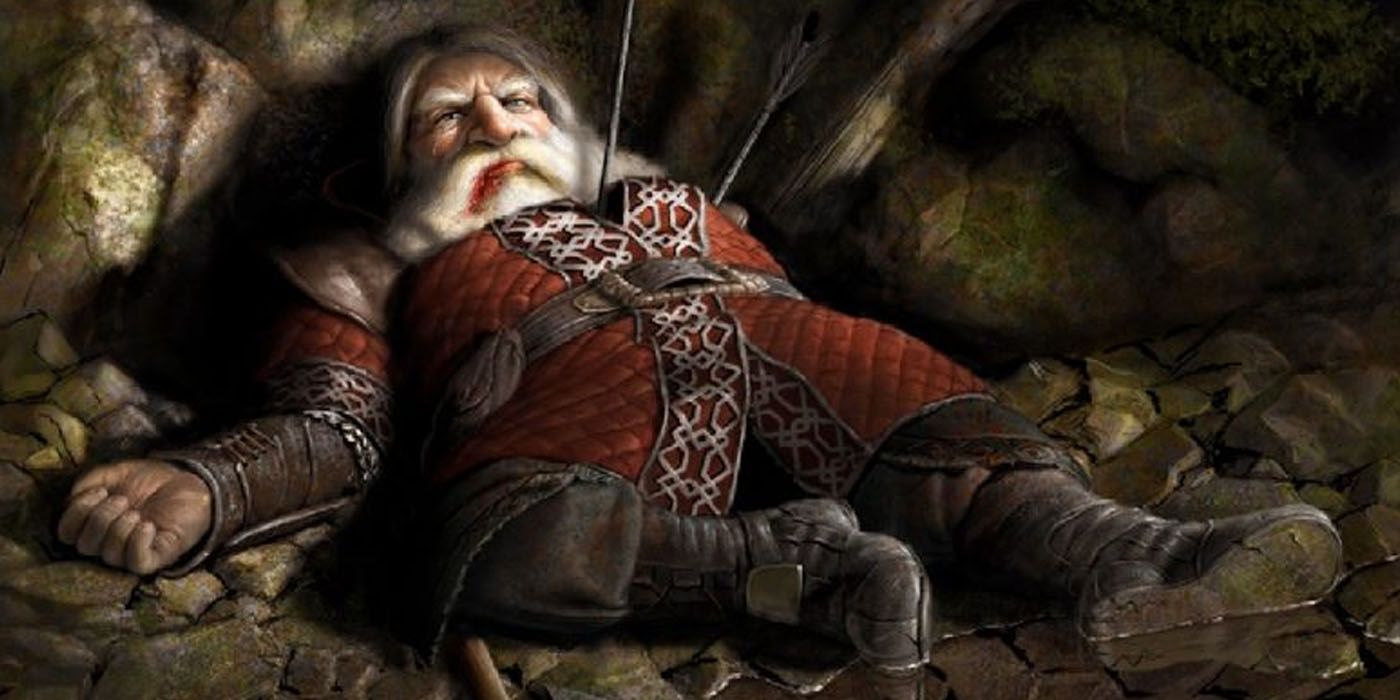
When a character's hit points reach zero, they fall unconscious, but that doesn't necessarily mean they are dead yet. At this point, they have opportunities on their turns to make death saving throws to determine whether or not they return to consciousness. Death saving throws are unique in that there are not the same as standard ability checks, so stat bonuses can't be added to them. In most cases, death saves are a straight d20 roll. However, there are a few helpful tricks, like rolling with advantage with the Lucky feat or adding an extra d4 thanks to certain buffs.
With death saves, anything below 10 counts as a failure, while 10 and above counts as a success. Players who roll a natural 20 immediately regain one hit point and return to consciousness. Players have up to five rolls to determine whether or not they survive, a number that may be affected by whether or not they take damage. This means a character who takes a hit while down automatically loses two death saves.
Unfortunately, there are instances where death saving throws are completely negated. First, if a characters suffers damage that equals at least twice their max HP in a single hit, they instantly fall dead and cannot be revived without the use of resurrection spells. Secondly, there are some spells that are impossible to recover from with simple healing. If an adventurer hit with the Disintegrate spell drops to zero hit points on account of the spells damage, they automatically become a pile of dust that can only be restored using incredibly powerful resurrection magic.
Magical Spells That Stop Death in D&D
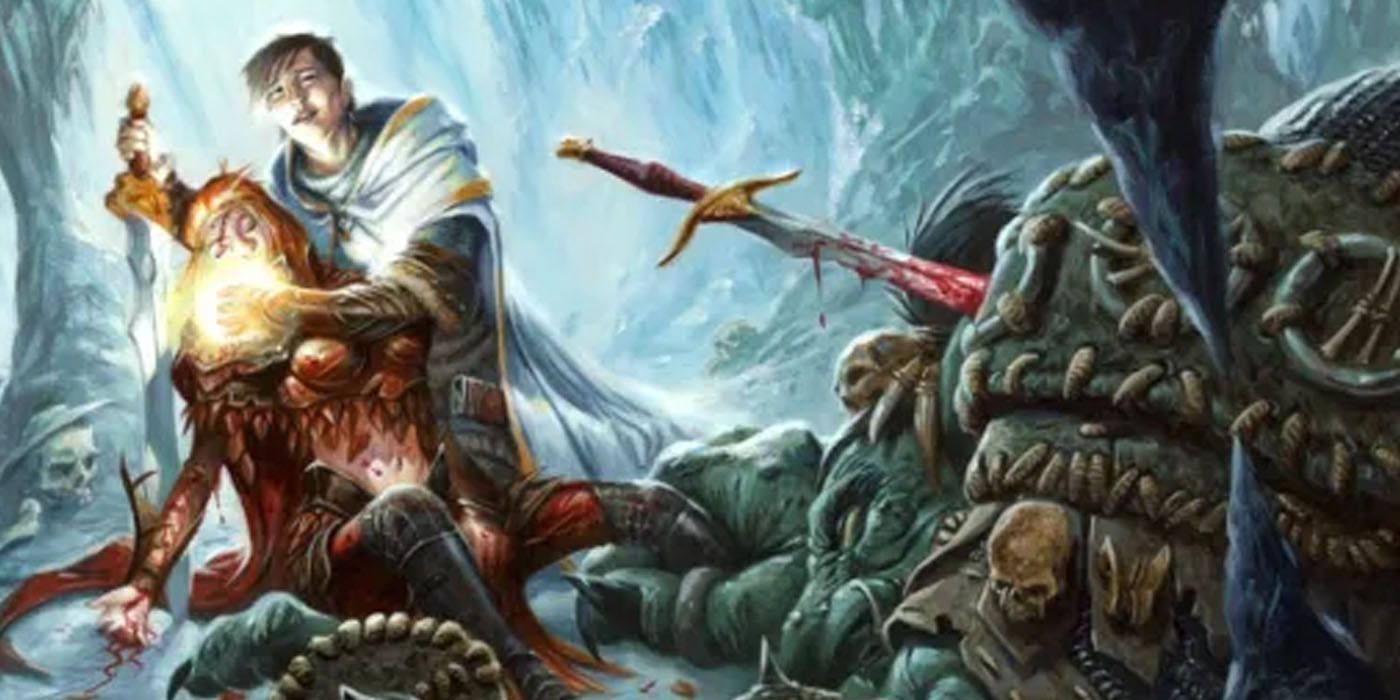
Clerics have a wealth of magic in their arsenal designed to not just heal their allies, but help get them back on their feet when they fall unconscious, or sometimes prevent unconsciousness entirely. Healer's Kits can be used to stabilize a fallen ally, though they don't always restore hit points and consciousness. Healing spells like Cure Wounds or Prayer of Healing can also save a fallen ally by restoring them to consciousness and getting them back into the fray.
There's also the spell Death Ward, which protects the ally for up to eight hours. With this effect, the first time they drop to zero hit points, they immediately regain one HP, and the ward ends. This spell is particularly useful against permanent effects from magic designed to instantly kill a creature without first doling out damage, such as Power Word Kill. Should a creature with under 100 HP be hit by such a spell, the effects are negated and the ward drops.
Clerics aren't the only ones with access to death-defying spells. Casters of all classes should double check their spell lists for opportunities to help keep the entire party alive. Even a simple Counterspell could be enough to save a life when all hope seems lost. There are also magical items that carry these abilities, but they are rare, so don't expect to find them just lying around.
Death Defying Racial Attributes & Class Features In D&D
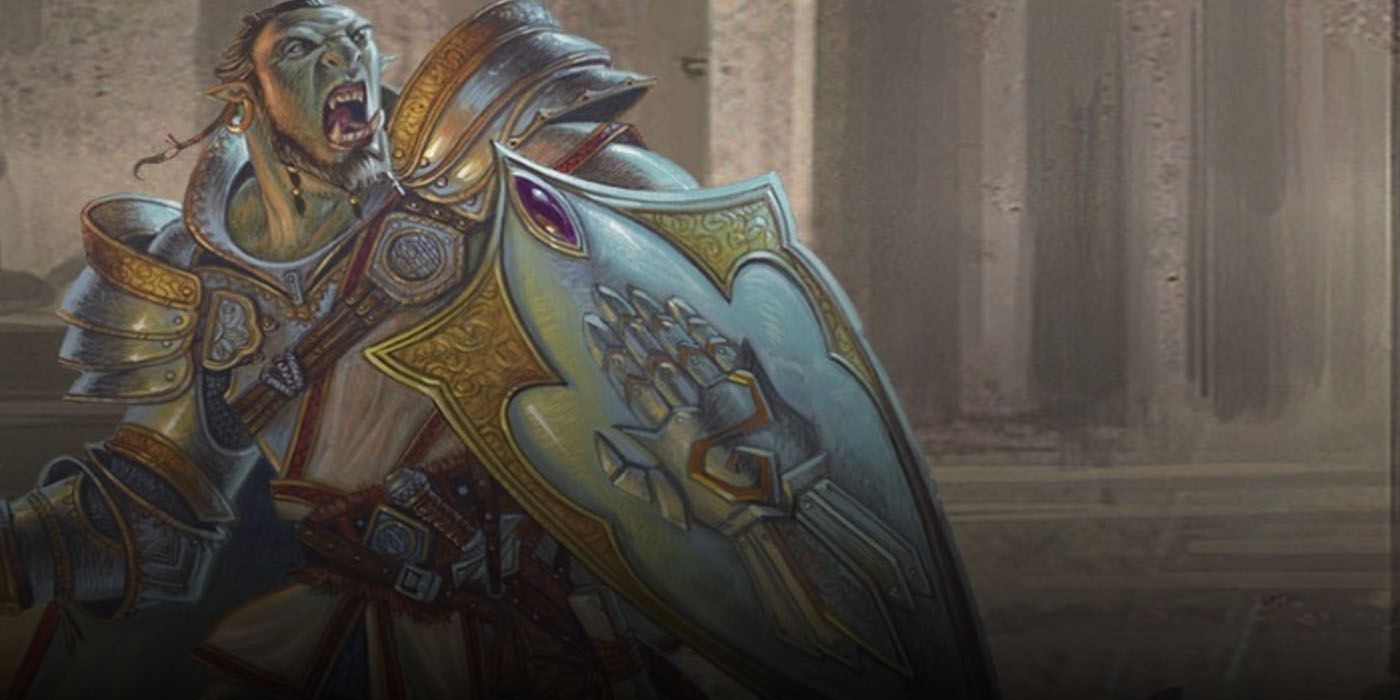
Those who want to create an especially resilient character should consider the Half-Orc race. Half-Orcs have the kind of strength that allows them to virtually laugh in the face of death itself at least once per long rest thanks to their Relentless Endurance. This racial feature allows them to one hit point when they drop to zero, allowing them to go on fighting even when the odds are stacked against them. Once they've used this trait, it can't be used again until they finish a long rest, but that doesn't mean they can't couple it with Death Ward or some other feature that keeps them on their feet.
There are also several subclasses that offer similar features. The Shadow Magic Sorcerer has the opportunity to make a Charisma saving throw to drop to one hit point instead of zero, though this does not work against radiant damage or critical hits. The Way of the Long Death Monk has a feature called Mastery of Death that allows them to spend a Ki point to have one hit point instead of zero, and the only limitations on this are the number of Ki points the Monk has at their disposal.
There's also the Path of the Zealot Barbarian, which is so driven by fury that, while in a rage, they can't die. They can still drop to zero hit points and continue to take damage, but they are required to make death saving throws once they've dropped to zero. Interestingly enough, even failing all their death saves doesn't stop them from carrying on the fight. They go on fighting until their rage ends, at which point they'll drop dead unless someone managed to restore their hit points before that time comes.
lerouxtiledgets78.blogspot.com
Source: https://www.cbr.com/dnd-5e-death-saving-throws/
0 Response to "Easy Way to Make Players Fail Saves Dnd"
Post a Comment